 terravel
Terravel · Places · South America
Peru · South America
Colca Canyon

What is Colca Canyon, and where is it?
Colca Canyon is a 70-kilometre chasm in southern Peru, located 160 kilometres northwest of Arequipa. At 3,270 metres deep, it ranks among the world's deepest canyons. The Colca River carved this dramatic gorge through Peru's highlands, where descendants of the Collagua and Cabana peoples maintain ancestral traditions across Spanish colonial towns and ancient terraced slopes.
Location and Elevation Zones
Colca Canyon lies in southern Peru's Caylloma Province, approximately 160 kilometres northwest of Arequipa. The canyon stretches roughly 100 kilometres and descends 3,400 metres from rim to river. The Colca River, which carves the chasm, originates at elevations above 4,000 metres and flows northwest before becoming the Majes River on the plains below, eventually reaching the Pacific Ocean as the Camaná River.
Elevation defines the valley's character and use. The headwaters above 4,000 metres serve primarily for livestock grazing. Between 3,000 and 4,000 metres, agriculture dominates the landscape. Chivay, the largest town, sits at the valley's midpoint at 3,500 metres elevation. Below Chivay, the terrain steepens dramatically into the canyon proper, with the river reaching its lowest point of 1,066 metres near Huambo. The snow-capped Ampato volcano rises 6,288 metres approximately 24 kilometres southeast of Cabanaconde.
Geological Formation and Canyon Depth
The Colca River has carved one of the world's deepest canyons through millions of years of erosion. The canyon's depth of 3,270 metres was recognized by Guinness Book of Records in 1984 following a 1981 Polish canoeing expedition's first descent below Cabanaconde. A joint Polish-Peruvian expedition in 2005 verified these measurements using GPS technology. The canyon floor sits approximately 2,000 metres above sea level, while the rim ranges between 3,000 and 4,000 metres elevation, creating the dramatic vertical relief visible throughout the valley.
The geological layers exposed in the canyon walls reveal Peru's complex tectonic and erosional history. The Colca River continues its work, flowing through the deepest section near Huambo where the canyon reaches its maximum depth. At Cruz del Condor, a popular viewpoint, the canyon floor lies 1,200 metres directly below the rim. The surrounding landscape reflects the interplay between high-altitude Andean geology and the persistent erosive force of water over geological time.
Pre-Inca Terraces and Agricultural Legacy
The Colca Valley's most distinctive feature is its network of pre-Inca stepped terraces called andenes, which continue producing crops today through water management systems engineered centuries before Spanish arrival. These terraces blanket the slopes below Chivay for many kilometres downstream, creating intensely patterned landscapes visible from the canyon rim. The same irrigation techniques that sustained agriculture for over five centuries remain in use, demonstrating the durability of pre-Columbian engineering. The terraces represent one of the most sophisticated agricultural adaptations to high-altitude mountain terrain in the Americas.
The valley's agricultural zones reflect careful elevation-based planning. Crops grow in the moderate elevations between 3,000 and 4,000 metres, while above Chivay at 3,500 metres, livestock raising—principally alpacas and llamas, with sheep and dairy cattle—becomes the primary activity. The andenes system allowed communities to maximize arable land on steep slopes while managing water scarcity through gravity-fed irrigation channels. This infrastructure supported dense populations and remains functional today, tended by descendants of the original builders.
Collagua and Cabana Peoples and Spanish Colonial History
The Colca Valley has been inhabited for millennia by distinct ethnic groups. The Quechua-speaking Cabanas, possibly descended from the Wari culture, and the Aymara-speaking Collaguas, who migrated from the Lake Titicaca region, occupied the valley in pre-Inca times. The Inca arrived around 1320 AD and established control through marriage alliances rather than warfare. Spanish forces under Gonzalo Pizarro arrived in 1540. In the 1570s, Spanish viceroy Francisco de Toledo ordered the scattered valley inhabitants to relocate to centralized settlements in a process called "Reductions." These colonial towns remain the principal settlements today.
Spanish religious infrastructure transformed the valley's cultural landscape. Franciscan missionaries built the first chapel in 1565 and the first church in 1569. The Collaguas, who inhabited the high valley regions, practiced distinctive burial customs—digging graves into steep rocky mountainsides and marking them with red paint. Faint red stains remain visible along the valley's upper slopes. Modern access developed only in the 1940s when a road connected Arequipa to Chivay to serve regional silver and copper mines. Additional roads were constructed in the 1970s and 1980s by the Majes Hydroelectric Project.
Ancient Rock Art and Wildlife
The Colca Valley contains extensive evidence of human occupation spanning thousands of years. Caves throughout the valley hold paintings and carvings dating back more than 7,000 years, depicting hunting scenes, llamas, foxes, human figures, celestial symbols including the sun and Southern Cross, and birds. The Caves of Mollepunko above Callalli contain rock art approximately 6,000 years old showing alpaca domestication. Additional archaeological sites include the mummy of Paraqra above Sibayo, the Fortaleza de Chimpa mountaintop citadel overlooking Madrigal, and scattered pre-Hispanic settlement ruins throughout the valley.
The canyon supports diverse wildlife adapted to high-altitude conditions. The Andean condor, a massive vulture with a 2.1 to 2.7 metre wingspan, inhabits the canyon and can be observed at close range from viewpoints like Cruz del Condor. Condors typically live 60 to 70 years and hold cultural significance as symbols of longevity. Other bird species include the giant hummingbird, Andean goose, Chilean flamingo, and mountain caracara. Mammals include vizcacha (a chinchilla relative), zorrino, deer, fox, and vicuña, the wild ancestor of the domesticated alpaca.
Where is Colca Canyon?
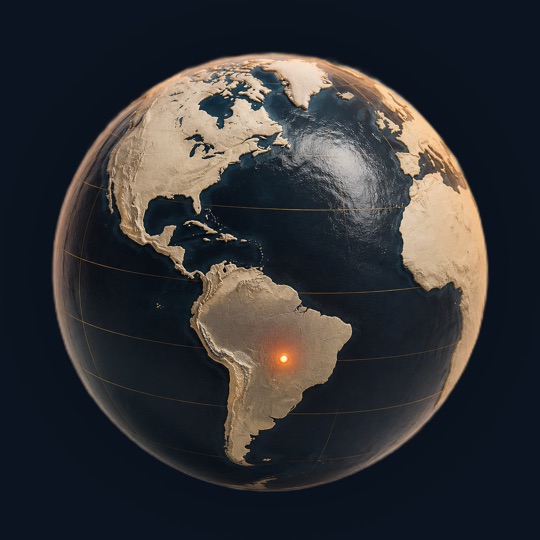
Colca Canyon is in Peru, South America, at 15.60°S, 72.06°W. The closest places in the Terravel atlas are Sacred Valley (252 km), Machu Picchu (276 km) and Titicaca (293 km).
Photos of Colca Canyon

Photo: Cédric Liénart (Geoced) · CC BY-SA 3.0

Photo: Steve Bennett · CC BY-SA 4.0

Photo: world-wide-gifts.com · CC BY-SA 2.0
Colca Canyon at a glance
Questions about Colca Canyon
How deep is Colca Canyon compared to other canyons?
Colca Canyon reaches 3,270 metres deep, making it one of the world's deepest canyons. It was recognized by Guinness Book of Records in 1984 as potentially the world's deepest following a 1981 Polish expedition's first river descent below Cabanaconde.
What crops and animals are raised in the Colca Valley?
The valley produces crops on pre-Inca terraces in moderate elevations. Above Chivay at higher elevations, livestock raising dominates, principally alpacas and llamas, with sheep and dairy cattle. The terraces continue using ancestral water management systems engineered centuries before Spanish arrival.
What is the Andean condor and where can it be seen?
The Andean condor is a massive vulture with a 2.1 to 2.7 metre wingspan that typically lives 60 to 70 years. It inhabits Colca Canyon and can be observed at close range from viewpoints like Cruz del Condor, where the canyon floor lies 1,200 metres below the rim.
Which ethnic groups originally inhabited the Colca Valley?
The Quechua-speaking Cabanas and Aymara-speaking Collaguas inhabited the valley before Inca arrival around 1320 AD. The Inca established control through marriage alliances. Spanish forces arrived in 1540, and colonial settlements established in the 1570s remain the principal towns today.
How old is the rock art found in Colca Valley caves?
Rock art in Colca Valley caves dates back more than 7,000 years, depicting hunting scenes, animals, human figures, and celestial symbols. The Caves of Mollepunko contain art approximately 6,000 years old showing alpaca domestication.
Sources and further reading
This article was written from the reference material below, retrieved and reviewed for source alignment on September 13, 2026. Use official local sources for changing access or travel information.
About this page. Terravel combines its curated place catalog with credited photography and geographic reference data. Practical travel details can change; use the linked destination guide and official local sources when planning a trip. Send a correction.
Test yourself
Which South American canyon features pre-Inca stepped terraces still actively farmed using 500-year-old water systems?
Colca Canyon in Peru is distinguished by its andenes (pre-Inca stepped terraces) that continue to produce crops today through ancestral water management techniques established long before Spanish arrival.
Can you place today's?
Colca Canyon is one of 266 places in Terravel. A new one every morning.
Go beyond the familiar in South America
Start with a place you know, then follow the map toward somewhere less expected.


